Why Choose DC Motor BLDC for Your Next Project?
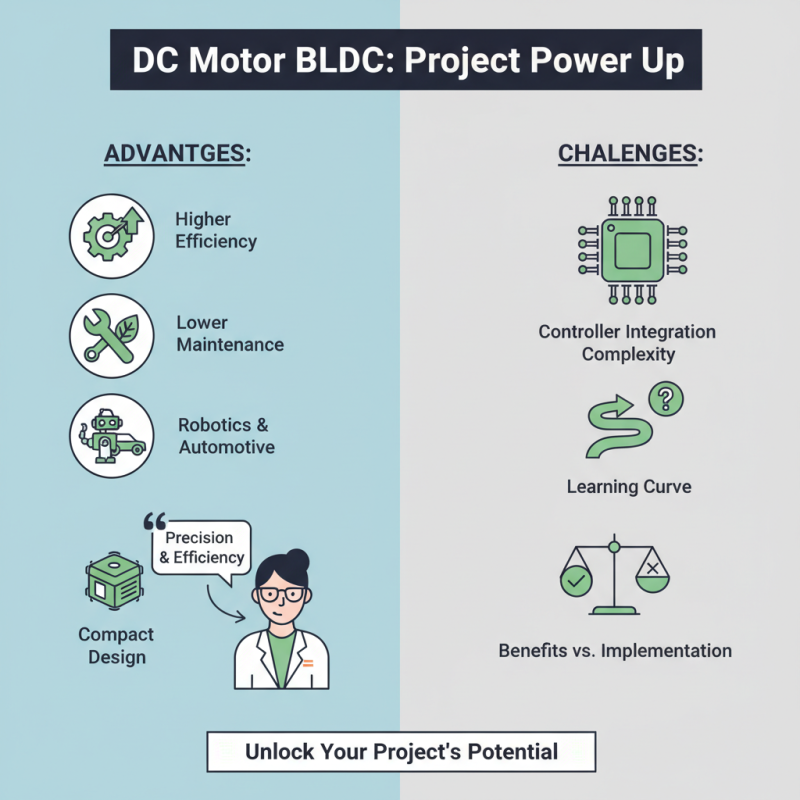
In today's rapidly evolving technology landscape, choosing the right motor for your project is crucial. DC motor BLDC (Brushless DC Motor) has emerged as a top choice among engineers and inventors. According to Dr. Alice Chen, a prominent expert in motor technology, "The precision and efficiency of DC motor BLDC can elevate your project to new heights."
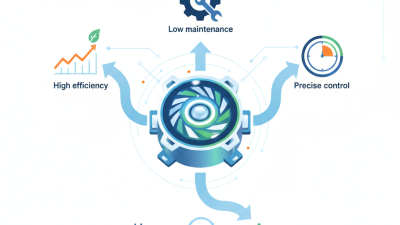
DC motor BLDC offers numerous advantages, such as higher efficiency and lower maintenance costs compared to traditional motors. These motors are becoming vital in sectors like robotics and automotive. Their compact design often leads to smaller, more efficient products. However, some engineers hesitate to adopt this technology due to complexity in controller integration.
The reliability and performance of DC motor BLDC make it a fantastic candidate for various applications. Still, navigating the intricacies of implementation can be daunting. Whether you're designing a consumer gadget or an industrial machine, understanding the benefits and challenges is essential. Embracing this technology, while acknowledging its learning curve, can truly enhance your project's overall success.
Understanding the Basics of BLDC Motors
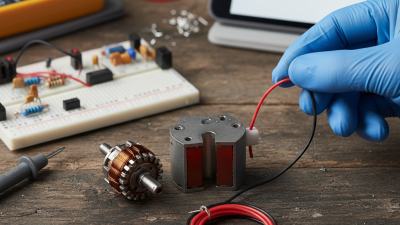
When exploring the realm of electric motors, Brushless DC (BLDC) motors stand out for their efficiency and reliability. Unlike traditional brushed motors, BLDC motors use an electronic controller to manage their operation. This eliminates the need for brushes, reducing wear and tear. Users often appreciate this longevity, but it also means they must deal with the complexities of controller setups.
BLDC motors feature a rotor with permanent magnets and a stator with windings. This design results in smoother operation and better torque at lower speeds. However, not every project will benefit from their use. The initial cost of these motors and their controllers can be significantly higher than brushed counterparts. Project managers must weigh the benefits against these costs carefully.
In applications where precision and efficiency are crucial, BLDC motors excel. Their ability to maintain performance while decreasing energy consumption is appealing. However, the learning curve involved in integrating them into a system can be steep. Engineers may find themselves reflecting on how to optimize performance while managing expenses. Each project presents unique challenges with BLDC motors, requiring careful consideration of both strengths and limitations.
Key Advantages of Choosing BLDC Motors for Projects
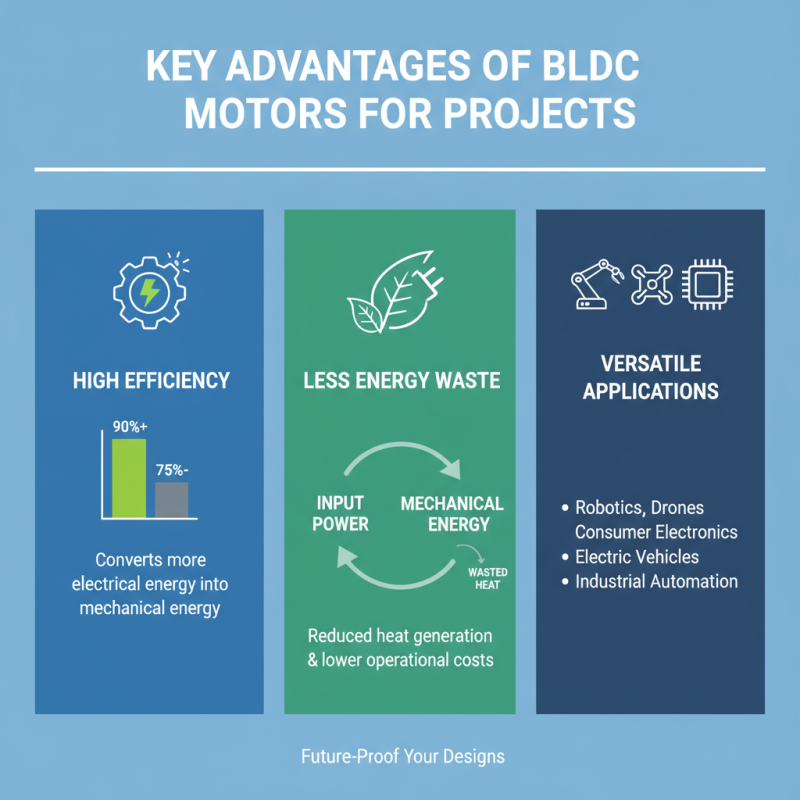
When considering a motor for your next project, BLDC motors are a compelling choice. These motors are known for their high efficiency. They convert a higher percentage of electrical energy into mechanical energy compared to traditional brushed motors. This means less wasted energy and lower operational costs, which is vital in many applications, from robotics to consumer electronics.
Another significant advantage is their durability. BLDC motors have no brushes to wear out, which leads to a longer lifespan and less maintenance. This could save time and costs over the long haul, particularly in demanding environments. However, it’s essential to factor in the initial complexity and setup costs. Not all projects may benefit from this investment.
Noise levels are another consideration. BLDC motors operate quietly, making them ideal for applications requiring minimal sound. Yet, ensuring optimal performance may require careful tuning of controllers, which can be complex. While the advantages are clear, the challenges of integration can pose a steeper learning curve. Understanding these elements is key to leveraging the full potential of BLDC motors in your design.
Applications of BLDC Motors in Various Industries
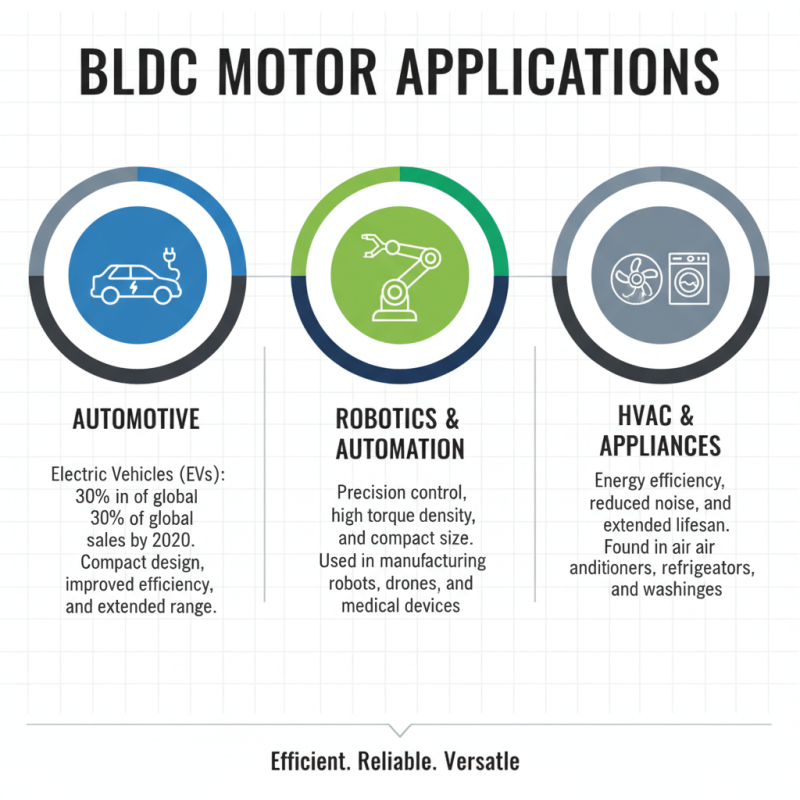
BLDC motors are gaining traction across various sectors due to their efficiency and reliability. In the automotive industry, they power electric vehicles (EVs), which are predicted to account for 30% of global car sales by 2030. Their compact design reduces weight and increases range, making them essential for EV performance.
In the aerospace sector, BLDC motors are crucial for flight control systems. They provide precise movements and can operate in extreme conditions. According to recent reports, the aerospace market for electric motors is expected to grow at a CAGR of 7.4% from 2021 to 2028. This growth underscores their importance in safety and efficiency.
Manufacturing and robotics also benefit significantly from BLDC technology. Automated systems use these motors for tasks like assembly and packaging. Reports indicate that the industrial automation market will reach $200 billion by 2025. As these systems become more complex, the demand for dependable motors increases. However, integrating BLDC motors into legacy systems can pose challenges. It's crucial to address compatibility and control issues for optimal performance.
Comparison of BLDC Motors with Traditional DC Motors
When considering motors for your next project, the comparison between Brushless DC (BLDC) motors and traditional DC motors is crucial. BLDC motors are more efficient due to their lack of brushes. This design reduces mechanical wear, leading to a longer lifespan. They also operate quietly and provide better torque at various speeds. In contrast, traditional DC motors can exhibit inefficient performance due to friction from brushes.
Tips: Consider the application of your project. If precision and longevity are key, BLDC motors shine. However, they can be more complex to control. If simplicity is essential, a traditional DC motor might be suitable. Assessing your project’s needs will guide your choice.
The cost is another factor to reflect on. BLDC motors tend to be more expensive upfront, but their durability can translate to savings in the long run. Traditional DC motors may provide a lower initial investment but could incur higher maintenance costs. Always weigh the long-term benefits against initial pricing.
Tips: Research available technology. Some projects may require advanced control systems for BLDC motors. Understanding these requirements early can help avoid future complications. Your choice of motor should align with your technical capability and project goals.
Comparison of BLDC Motors and Traditional DC Motors
Considerations for Selecting the Right BLDC Motor for Your Project
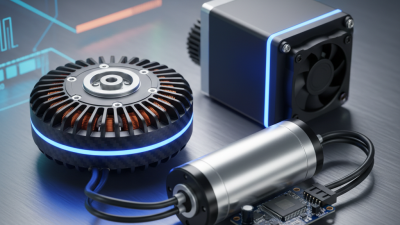
When selecting a brushless DC (BLDC) motor for your project, several factors are important to consider. The motor's efficiency is key. BLDC motors are known for their high efficiency and low heat generation. This makes them ideal for applications where performance is critical, such as in drones or electric vehicles. However, it's essential to evaluate whether the motor’s efficiency aligns with your specific needs, as high efficiency might come at a higher cost.
Another critical aspect is the control system required for the BLDC motor. These motors typically require a more complex driver circuit compared to traditional brushed motors. If you lack experience with electronic systems, this complexity can be overwhelming. Make sure you have the necessary expertise or access to resources that can assist you. In some cases, it might be tempting to overlook these technical requirements, but doing so could lead to inefficient designs or project delays.
Finally, consider the physical size and weight of the motor. While compact BLDC motors are available, they may not always deliver the torque needed for heavier applications. Weight constraints should also match your overall design specifications. It is important to balance power output with size. Sometimes, a larger motor might be more suitable, despite initial reservations. Finding the right BLDC motor requires a nuanced approach that weighs all these considerations carefully.