2026 Best DC Motor BLDC Types for Efficient Performance?
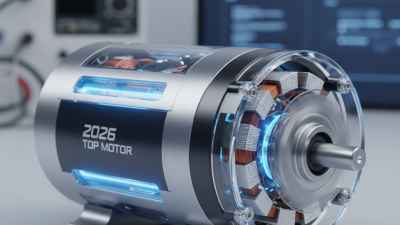
When it comes to electric motors, the DC motor BLDC stands out for its efficiency and reliability. These motors are increasingly popular in various applications. They are known for their high-speed performance and excellent torque characteristics. However, choosing the right type can be challenging.
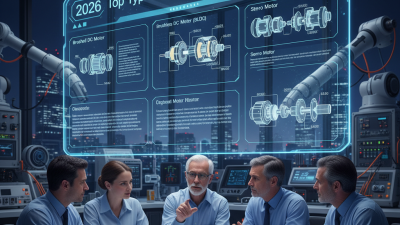
In 2026, several types of DC motor BLDC will emerge as the best options for efficient performance. Not all BLDC motors are created equal, and efficiency often varies between models. Factors like design, size, and intended use play critical roles. More attention needs to be given to the specifics.
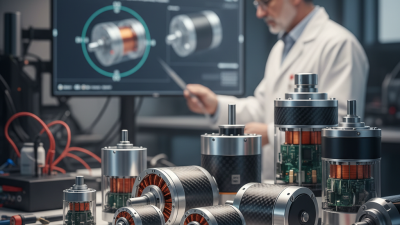
Understanding the nuances of these motors can significantly enhance operational effectiveness. A deeper dive into specifications, including power ratings and control tactics, is essential. Even small details can impact performance. We should reflect on the evolving technologies that continue to shape BLDC motors. In the end, making an informed choice can lead to better outcomes in various applications.
Overview of BLDC Motors: Definition and Key Characteristics
Brushless DC (BLDC) motors are revolutionizing various industries. These motors stand out due to their efficient performance and reliability. Unlike traditional brushed motors, BLDC motors use electronic commutation, which minimizes energy losses. According to a report by MarketsandMarkets, the global BLDC motor market is projected to reach USD 34.55 billion by 2026, with a compound annual growth rate (CAGR) of 12.3%.
Key characteristics of BLDC motors include high torque-to-weight ratio and low maintenance requirements. They typically operate more quietly and have longer lifespans compared to brushed motors. However, they do require more complex electronic controls. This complexity can be a barrier for some applications. Additionally, the initial costs may be higher than brushed variants, affecting budget-sensitive projects.
BLDC motors are increasingly used in electric vehicles, HVAC systems, and consumer electronics. Their efficiency leads to lower energy consumption, benefiting both the environment and operational costs. Engineers need to consider the specific needs of their applications. The right motor can enhance performance but also introduce challenges in implementation. Balancing efficiency, cost, and usability is key in the evolution of BLDC motor applications.
2026 Best DC Motor BLDC Types for Efficient Performance
| Type |
Voltage (V) |
Power (W) |
Efficiency (%) |
Max RPM |
| Sensorless BLDC |
12 |
50 |
85 |
6000 |
| Synchronous BLDC |
24 |
150 |
90 |
8000 |
| Inner Rotor BLDC |
48 |
200 |
87 |
7000 |
| Outer Rotor BLDC |
36 |
100 |
92 |
8500 |
| Compact BLDC |
5 |
20 |
80 |
4000 |
Types of BLDC Motors: Interior vs. Exterior Rotor Designs
Brushless DC (BLDC) motors are pivotal in various applications. Understanding the two main types—interior rotor and exterior rotor designs—can enhance performance and efficiency.
Interior rotor designs place the rotor inside the stator. This arrangement allows for compactness and better torque characteristics. They are commonly used in drones and electric vehicles.
On the other hand, exterior rotor designs have the stator inside and the rotor outside. This setup provides higher torque output relative to size. It's often found in applications needing high-speed operation, like fans and pumps. The choice between these two designs can significantly impact efficiency, depending on the desired application.
Tip: When selecting a BLDC motor, consider the application's torque and speed requirements. Different designs suit different needs. Pay attention to the cooling methods, as overheating can reduce performance. Always consult performance charts to make informed decisions.
Be aware, not all designs will work optimally in every situation; adaptability is key.
Efficiency Metrics: Comparing BLDC Motors with Traditional Motors
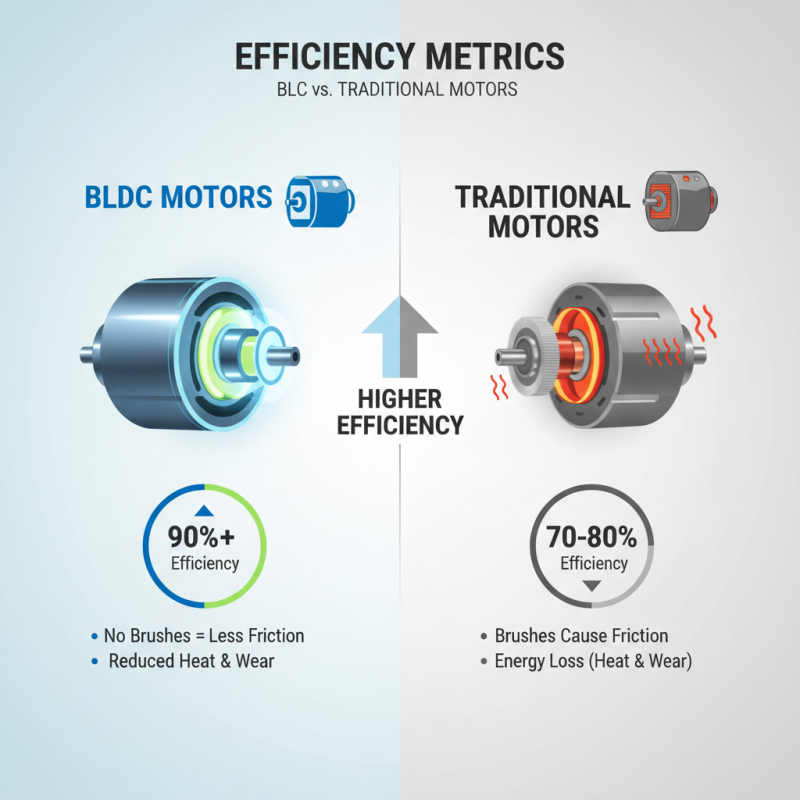
The efficiency of Brushless DC (BLDC) motors stands out when compared to traditional brushed motors. BLDC motors operate without brushes, reducing friction and wear. This design enables them to achieve higher efficiency levels, often exceeding 90%. In contrast, traditional motors typically operate at around 70-80% efficiency. The loss of energy through heat and wear in brushed motors limits their performance.
Energy consumption is a vital consideration for industries. BLDC motors offer a significant advantage in energy savings, especially in applications like electric vehicles and robotics. Their precise control allows for optimal performance in varying loads. However, the initial cost of BLDC motors can be higher. This factor may deter some users, leading to a need for careful analysis of long-term benefits versus upfront investments.
Moreover, while BLDC motors excel in efficiency, they can be complex. The need for sophisticated control systems might complicate their use in simple applications. Users need to weigh the operational benefits against potential challenges. This ongoing discussion about efficiency versus practicality reflects a crucial aspect of modern motor technology.
Applications of BLDC Motors: Industries That Benefit Most from Efficiency
BLDC motors are transforming various industries with their efficiency and performance. Their benefits are particularly evident in sectors like automotive, aerospace, and renewable energy. In automotive applications, these motors support electric vehicles. They provide higher efficiency compared to traditional motors, which translates to longer battery life. In aerospace, they enable precise control of drones and aircraft systems. The lightweight design of BLDC motors enhances overall performance.
Industries focused on renewable energy also gain significant advantages. Wind and solar applications utilize BLDC motors for optimal energy conversion. Their ability to provide peak torque at low speeds is crucial in these settings. This feature allows for better responsiveness and improved overall system efficiency.
Tips for selecting the right BLDC motor include assessing application requirements carefully. Understand torque, speed, and power needs. Do not overlook thermal management to prevent overheating. Choose a motor that balances size and efficiency. Remember, sometimes the most efficient solution is not the most powerful one.
2026 Best DC Motor BLDC Types for Efficient Performance
This chart represents the efficiency of different types of Brushless DC (BLDC) motors utilized in various industries. The data showcases the efficiency percentages and applications across sectors.
Future Trends: Innovations in BLDC Technology by 2026
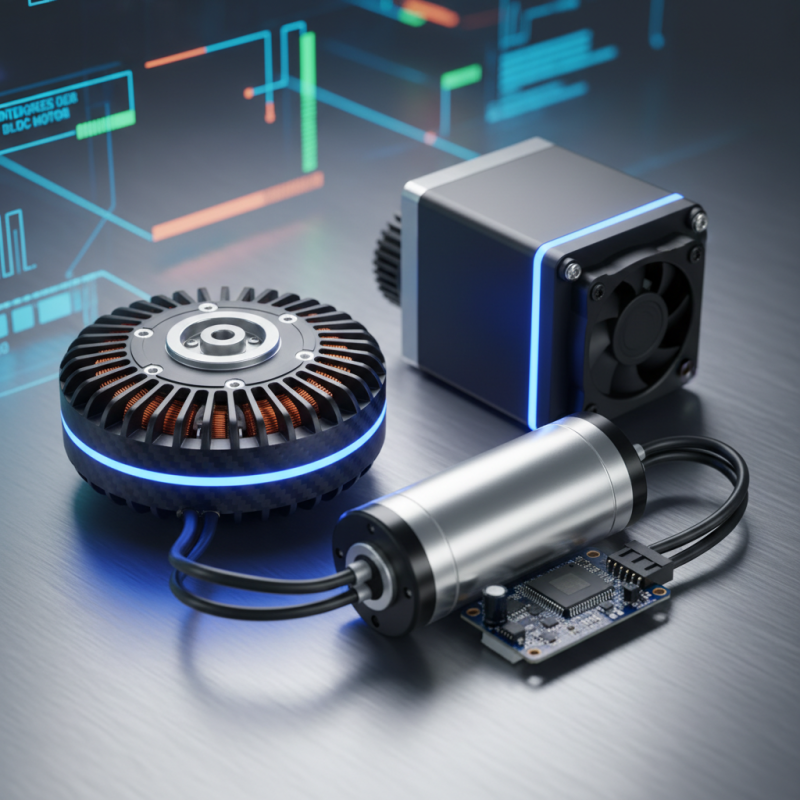
As we move towards 2026, innovations in Brushless DC (BLDC) motor technology are on the rise. These advancements focus on enhancing efficiency, durability, and performance. The shift toward smart technology integration is crucial. Expect to see motors with enhanced control algorithms for precise execution. This will improve responsiveness and reliability in various applications.
One significant trend is the development of advanced materials. Using lighter and stronger materials will reduce overall weight. This change leads to higher efficiency and better thermal management. However, challenges remain. Not all industries are ready to adopt these advanced materials due to costs and production capabilities.
Tips: When selecting BLDC motors, consider the environment in which they will operate. The right motor must match the specific conditions. Always compare specifications to find the best fit. Testing in real-world scenarios will reveal unexpected issues. This can help refine your choice, ensuring reliability and performance. Embracing these innovations will require adaptation and learning, but the potential rewards are significant.