Top 10 Benefits of Using DC Motor Gear Motors for Your Projects?
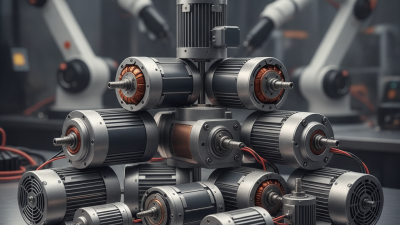
In the realm of engineering and automation, the choice of motors is crucial. The Dc Motor Gear Motor stands out among various options. Its unique design combines the efficiency of a DC motor with the torque amplification of gears. This synergy makes it ideal for diverse projects, whether in robotics or automotive applications.
Many engineers and hobbyists appreciate the versatility of Dc Motor Gear Motors. They can operate at different speeds and deliver substantial power. This functionality is vital for projects that require precision and reliability. However, selecting the right motor can be challenging, given the multitude of choices available.
Understanding the benefits of utilizing a Dc Motor Gear Motor can streamline this decision-making process. From energy efficiency to size reduction, these motors offer distinct advantages. Nonetheless, not all applications may suit their use fully. Reflecting on these points can guide you in making a more informed choice for your next project.
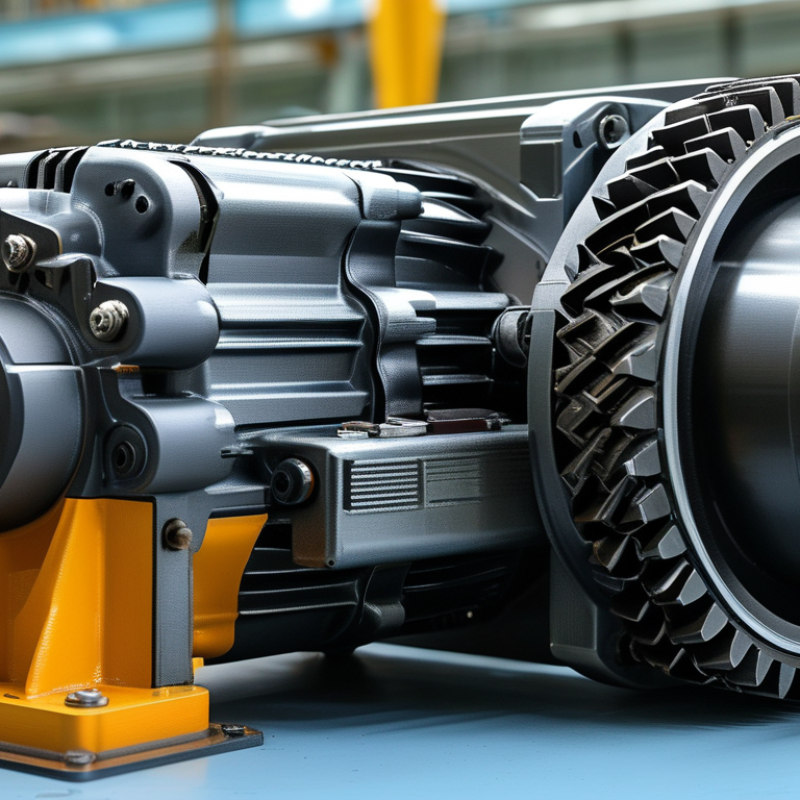
Advantages of High Torque Output in DC Motor Gear Motors
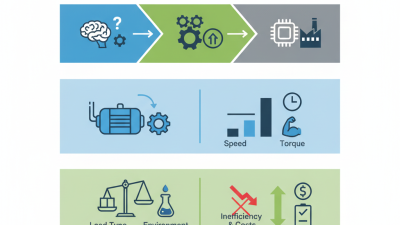
When it comes to project design, DC motor gear motors stand out, especially because of their high torque output. This feature is crucial for applications needing strong and reliable power. High torque ensures that devices can handle heavier loads without compromising performance. Whether in robotics or industrial applications, high torque allows for precision in movement and control.
One tip to consider is matching the gear ratio to your project needs. A higher gear ratio can increase torque but may reduce speed. Balance is essential to achieve the desired function. Always test your configuration, as small adjustments can drastically affect performance.
Another important aspect is thermal management. High torque often produces heat. Inadequate cooling can lead to motor failure. Ensure your design includes proper heat dissipation methods, such as heat sinks or cooling fans. Continuous monitoring during operation can help you identify potential issues early.
Enhanced Speed Control and Precision in Motion Applications
When it comes to motion applications, DC motor gear motors stand out for their enhanced speed control and precision. These motors enable fine adjustments in speed, a feature critical for robotics and automation. According to industry reports, precision control can improve operational efficiency by over 30%. This improvement translates to significant time and cost savings in various projects.
Effective use of gear motors requires a solid understanding of gearing ratios. A higher ratio can lead to increased torque but may reduce speed. Choosing the right balance is crucial for project success. Testing different configurations can help you find the sweet spot that meets your needs.
**Tip**: Always consider load requirements before selecting a motor.
DC motors often boast a straightforward design, yet the complexities of speed control involve numerous variables. Factors like voltage fluctuations can influence performance. Regular monitoring can help address potential issues, ensuring long-term reliability. Industry experts recommend employing feedback systems to enhance response time, which can boost precision by up to 20%.
**Tip**: Incorporate sensors for real-time feedback.
Overall, the use of DC motor gear motors can markedly enhance speed control and precision in your projects, provided you take the time to optimize their settings.
Top 10 Benefits of Using DC Motor Gear Motors for Your Projects
Increased Efficiency in Energy Consumption and Performance
DC motor gear motors are gaining traction in various projects due to their enhanced efficiency in energy consumption and performance. According to a recent industry report, these motors can operate with a 90% efficiency rate. This means less energy is wasted compared to other motor types. By reducing energy losses and improving torque output, they are ideal for applications that require precise control and reliability.
A unique advantage of gear motors is their ability to provide higher torque at lower speeds. This translates to better performance in tasks such as robotics or conveyor systems. In practice, this means fewer components are needed, simplifying the design process. The combination of high efficiency and robust performance leads to lower overall operational costs, making them appealing for long-term projects.
**Tip**: When selecting a DC motor gear motor, consider the specific needs of your application. Ensure that the torque and speed range align with project requirements.
Moreover, even with these benefits, it's important to acknowledge possible challenges. For instance, gear motors can generate heat under continuous load, affecting performance. Monitoring temperature and adjusting operating conditions is essential.
**Tip**: Regular maintenance checks can prevent issues related to overheating and prolong the lifespan of the motor. Keep an eye on operational parameters to maximize efficiency.
Top 10 Benefits of Using DC Motor Gear Motors for Your Projects
| Benefit |
Description |
Impact on Projects |
| Increased Efficiency |
DC gear motors provide improved torque and speed control, enhancing operational efficiency. |
Higher productivity and lower energy costs. |
| Compact Design |
These motors are smaller and lighter compared to other types, allowing for space-saving solutions. |
Flexible integration in various project layouts. |
| Cost-effective |
Affordable initial investment with substantial energy savings. |
Lower overall project costs. |
| Ease of Control |
Easily controlled via PWM, making them adaptable for various applications. |
Enhanced flexibility in project automation. |
| Quiet Operation |
Operates with minimal noise, beneficial for sensitive environments. |
Improved work environment in noise-sensitive areas. |
| Versatility |
Suitable for a wide range of applications, from robotics to conveyor systems. |
Broader application scope enhances project utility. |
| High Torque |
Provides ample torque for demanding applications without requiring high power. |
More effective performance in load-bearing projects. |
| Durability |
Built to withstand harsh conditions, ensuring longevity. |
Reduced maintenance and downtime costs. |
| Customizability |
Can be tailored to fit specific project requirements, including size and speed. |
Enhanced precision and functionality in unique applications. |
| Energy Savings |
Designed to operate efficiently, reducing overall energy consumption. |
Lower operational costs and environmentally friendly. |
Compact Size and Space-Saving Design for Various Projects
When working on compact projects, size matters.
DC motor gear motors offer a space-saving design that fits various applications perfectly. According to a report by the International Electrotechnical Commission, the compact nature of these motors allows for easy integration into robotics and electronics. Their small footprint does not compromise power. In fact, they deliver high torque, making them suitable for intricate designs.
Moreover, the lightweight aspect of DC motor gear motors is crucial. Projects often have weight restrictions, especially in mobile designs. A study from the IEEE shows that many engineers prefer these motors for their efficiency in limited spaces. A typical compact gear motor can be as small as a few centimeters. Such dimensions open opportunities for innovation in design and functionality.
However, not every project will benefit from this fit. Some applications may require more powerful motors that occupy more space. In these cases, engineers face tough choices. Balancing size with performance is not always straightforward. Real-world testing is essential before final decisions are made. Compact designs can be tempting, but they need thorough consideration.
Versatility in Applications Across Different Industries and Uses
DC motor gear motors are gaining popularity due to their versatility across various industries.
Their compact design and ease of use make them ideal for a wide array of applications.
In the automotive sector, for instance, these motors are used in electric window lifts and seat adjustments.
According to a recent industry report, the demand for electric vehicle components is projected to grow by 20% annually through 2025.
This trend highlights the increasing reliance on DC motor gear motors.
In manufacturing, such motors enable precise control of machinery.
They play a crucial role in conveyor belts, robotics, and automated systems.
A study shows that incorporating DC motors can enhance operational efficiency by up to 25%.
This kind of data underscores their importance in driving productivity.
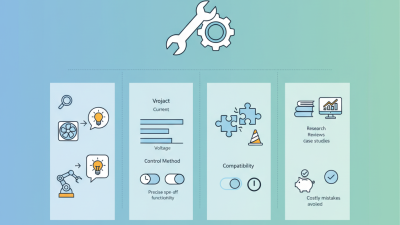
When selecting a DC motor gear motor, consider your specific needs. Think about the torque requirements, speed, and load.
It's wise to evaluate different configurations before making a decision.
Don't skimp on testing various models for your project. This will help you avoid costly mistakes.
Failure to account for these factors can lead to reduced performance.
A meticulous approach can lead to optimal results.