Top 10 Brushless Direct Current Motors for Global Buyers?
The landscape of Brushless Direct Current Motors (BLDC) is dynamic and diverse. These motors play a crucial role in various applications, from robotics to renewable energy. As global demand grows, buyers seek reliable and efficient solutions. Understanding the different options available is essential for making informed decisions.
This article highlights the top ten Brushless Direct Current Motors, each with unique features and capabilities. Buyers must consider performance, durability, and efficiency when selecting a motor that suits their needs. Quality is paramount; even minor flaws may lead to significant operational issues.
Ultimately, the right BLDC motor can enhance performance and save energy. However, it's vital to reflect on the trade-offs between cost and quality. Selecting a reliable motor involves careful evaluation and research. By keeping informed, buyers can navigate the complexities of the market effectively.
Overview of Brushless Direct Current Motors and Their Applications
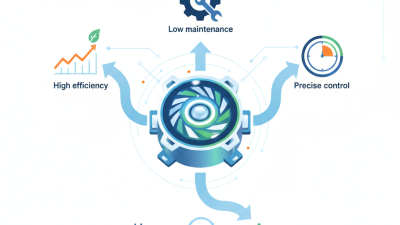
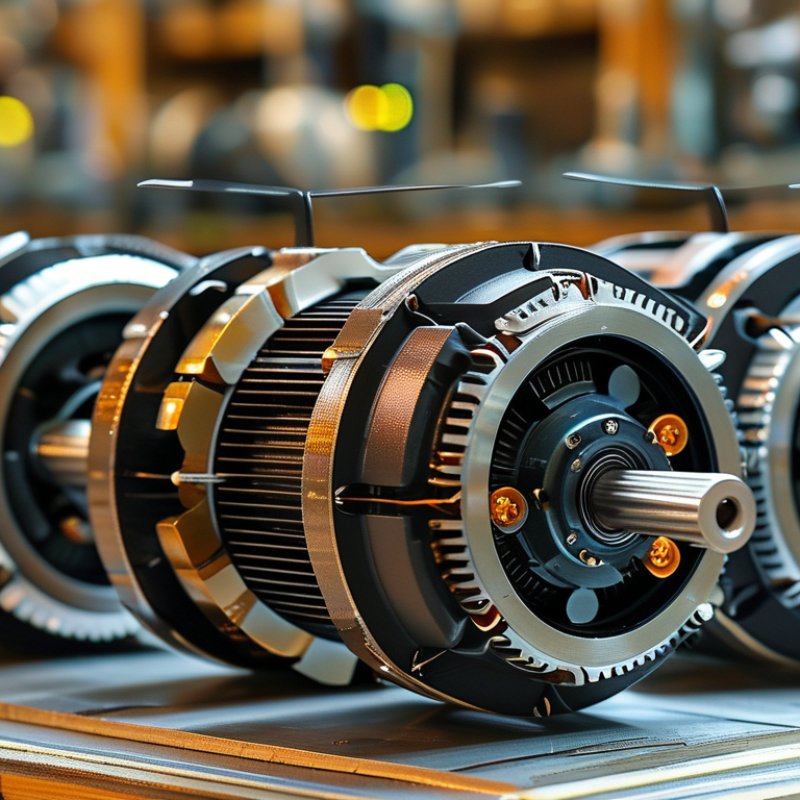
Brushless Direct Current (BLDC) motors have become essential in various applications. Their efficiency and reliability are critical in industries such as automotive, robotics, and consumer electronics. They offer precise speed control, making them ideal for automation and advanced machinery. With no brushes, these motors reduce wear and tear, enhancing their lifespan.
When selecting a BLDC motor, consider the application requirements. Power output, size, and torque are vital factors. Recognize that efficiency can vary across different models. It’s crucial to match the motor’s specifications with your project needs. A mismatch can lead to performance issues or even failure.
Tip: Always test the motor in a controlled environment before full-scale implementation. This ensures it meets your expectations.
Understanding the thermal performance of BLDC motors is also important. Overheating can reduce efficiency and lead to damage. Incorporate cooling methods if necessary.
Tip: Use thermal sensors to monitor motor temperature. This proactive step can prevent potential failures down the line.
Keep track of new developments in motor technology. Innovations can enhance performance and open new opportunities. Regular updates in education and training can improve application knowledge. Embrace a mindset of continuous learning. It can empower you to make informed decisions in your projects.
Key Features and Benefits of Brushless DC Motors for Buyers
Brushless Direct Current (DC) motors are recognized for their advanced technology and efficiency. They operate without brushes, significantly reducing wear and tear. According to a recent industry report, the global brushless DC motor market is expected to grow at a compound annual growth rate (CAGR) of 10% through 2027. This growth highlights their increasing adoption across various sectors, including automotive and industrial applications.
One of the standout features of brushless DC motors is their high efficiency. They can achieve efficiency rates above 90%. This not only leads to lower operational costs but also minimizes energy waste. Additionally, their compact size and lightweight design make them ideal for space-constrained applications. However, buyers should be aware that while these motors provide significant benefits, they typically come with a higher initial cost compared to their brushed counterparts.
Reliability is another crucial advantage. Studies show that brushless motors can last up to twice as long as traditional motors. Less maintenance is required due to the absence of brushes, which can lead to failure over time. Nonetheless, the complexity of their controller systems may pose challenges for certain users. A thorough understanding of the application is essential before making a decision. Balancing the initial cost against long-term savings can be a complex task. Buyers must weigh these factors carefully.
Top 10 Recommended Brushless DC Motors: A Comparative Review
Brushless Direct Current (BLDC) motors are essential in various industries. They are known for efficiency and reliability. A recent report indicates that the global market for BLDC motors is expected to reach $60 billion by 2027. This growth is driven by demands in automotive, consumer electronics, and industrial automation.
In choosing the right motor, efficiency ratings and torque capabilities are crucial factors. Buyers should consider the power-to-weight ratio. For example, highly efficient motors can operate at peak performance while consuming less energy. This not only saves costs but also extends product lifespan. However, it is essential to remember that higher efficiency can lead to increased initial costs.
Tips: Always assess your application requirements. Different motors come with distinct specifications. It’s smart to compare torque, RPM, and load conditions before making a decision. Also, beware of the potential for overheating in compact designs. Addressing cooling mechanisms early can prevent failures down the line.
Another point of reflection is understanding control methods. Sensorless control can simplify designs, yet it might compromise performance. If high accuracy is needed, consider options with integrated sensors. Investing in the right technology now can influence your system's long-term success. Explore multiple sources of information to ensure you're informed about the latest innovations and best practices in the market.
Buying Guide: Factors to Consider When Choosing a Brushless DC Motor
When selecting a brushless DC motor, several factors should influence your decision. Look for voltage requirements that match your system. Check the power output to ensure it meets your application needs. A compact size can significantly impact device portability. Efficiency ratings will directly affect operating costs.
Consider the control method you prefer. Various motors offer different ways to regulate speed and torque. Some are easy to integrate with existing systems. Others might require additional components. Be cautious; compatibility issues can lead to performance problems.
Tips: Evaluate motor torque, especially if your application demands high precision. Ensure the motor can operate within your desired speed range. Pay close attention to the manufacturer's specifications to confirm they align with your project needs. Sometimes, a little oversight in these checks can lead to costly adjustments later on.
Future Trends in Brushless DC Motor Technology and Market Growth
The brushless direct current (DC) motor market is evolving rapidly. Innovations in technology are key drivers of this growth. These motors are increasingly popular due to their efficiency and durability. They use electronic commutation instead of mechanical brushes, allowing for less maintenance and longer operating life. This transition marks a clear trend toward more reliable and cost-effective solutions.
Understanding future trends is essential for industry stakeholders. Recent advancements focus on integration with smart technologies. This provides seamless connectivity and improved control. Manufacturers are exploring the use of artificial intelligence for enhanced performance monitoring. However, not all developments are meeting expectations. Some approaches require refinement.
Another area of growth is energy efficiency. Regulations are pushing manufacturers to innovate. Brushless DC motors can provide considerable energy savings. Yet, many designs still struggle to meet stringent standards. Continuous improvement is necessary for market success. The demand for sustainable solutions will only increase. Each challenge presents an opportunity for manufacturers to innovate and adapt.
Top 10 Brushless Direct Current Motors for Global Buyers
| Motor Type |
Voltage (V) |
Power Rating (W) |
Efficiency (%) |
Max Speed (RPM) |
Applications |
| Small Brushless Motor |
12 |
50 |
85 |
20000 |
Drones, RC Cars |
| Medium Brushless Motor |
24 |
150 |
90 |
15000 |
Electric Bikes, Robotics |
| High Torque Brushless Motor |
48 |
300 |
92 |
8000 |
Industrial Equipment, CNC Machines |
| Micro Brushless Motor |
3.7 |
20 |
80 |
30000 |
Smart Gadgets, Medical Devices |
| Robotic Brushless Motor |
36 |
250 |
88 |
10000 |
Robotics, Automation |
| High-Speed Brushless Motor |
12 |
100 |
86 |
50000 |
Fans, Pumps |
| Inrunner Brushless Motor |
24 |
200 |
89 |
12000 |
Electric Vehicles, Electric Tools |
| Outrunner Brushless Motor |
36 |
400 |
93 |
15000 |
Drone Technology, Robotics |
| Fan Brushless Motor |
240 |
350 |
95 |
8000 |
HVAC Systems, Cooling Solutions |
| High-Power Brushless Motor |
48 |
600 |
90 |
6000 |
Heavy Machinery, Electric Vehicles |