How to Choose the Best 12v Motor With Gear for Your Project?
Selecting the right 12v Motor With Gear for your project can profoundly impact performance and efficiency. According to a recent report by the Allied Market Research, the global market for small motors, including 12v gear motors, is projected to reach $23.4 billion by 2027. This underscores the growing demand for reliable and efficient components in various applications, from robotics to automotive systems.
Understanding the mechanical torque and speed requirements of your project is crucial. A study from the International Journal of Engineering Research highlights that improper gear ratios can lead to performance issues. It emphasizes that choosing a motor with the appropriate gear is not just about power but also about achieving the desired operational efficiency. Yet, many hobbyists and professionals often overlook these details, leading to less than optimal outcomes.
Moreover, with numerous options available, selecting a quality 12v Motor With Gear can feel daunting. Discrepancies in specifications and manufacturer claims can add to the confusion. Users must critically evaluate their choices based on actual project needs. Highlighting personal experiences and reviews from the community can provide valuable insights. It’s vital to approach this decision thoughtfully, ensuring both reliability and performance in your chosen components.
Understanding the Basics of 12v Motors and Gear Systems
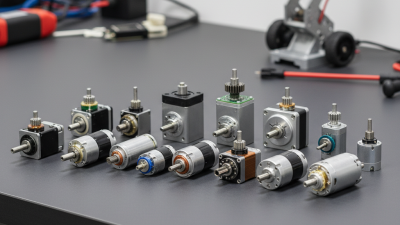
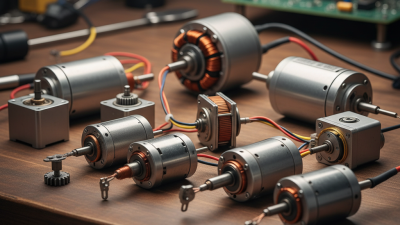
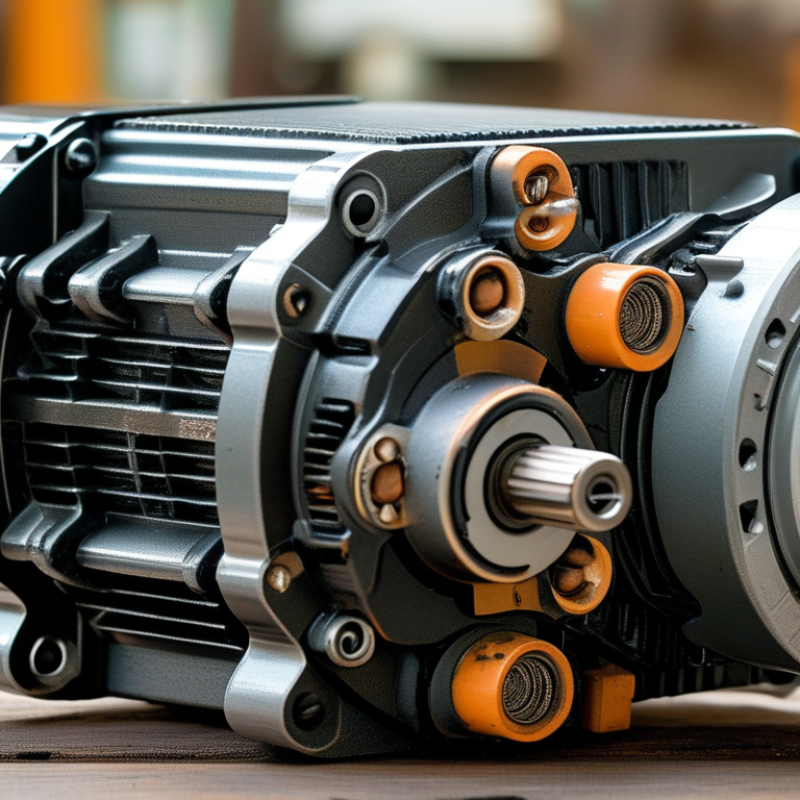
When selecting a 12v motor with gear for projects, understanding the basics is crucial. A 12v motor converts electrical energy into mechanical energy. These motors are commonly used in robotics, automotive applications, and home automation projects. Gear systems in motors multiply torque and reduce speed. This gearing can greatly enhance the motor's effectiveness for specific tasks.
Consider the load and torque requirements of your project. Gears can influence the overall performance significantly. For instance, a report by the International Journal of Advanced Manufacturing Technology notes that gear ratios can change torque by up to 100%. Knowing the specifications helps in making the right choice.
Tips: Always check the motor's current rating. Too much current can damage the motor. Additionally, ensure the gear system matches the motor's RPM for optimal performance. Sometimes, integrating a gearbox can introduce inefficiencies. A well-matched system, though, will significantly enhance your project's effectiveness.
Be mindful of the weight and size of your motor and gear system. Compact systems may be convenient but might not deliver sufficient power. Balancing between size and efficiency requires careful consideration. Keep in mind that more components can introduce more points of failure. Familiarize yourself with common pitfalls to avoid costly mistakes.
How to Choose the Best 12v Motor With Gear for Your Project?
| Motor Type |
Voltage |
Power Rating (W) |
RPM |
Torque (Nm) |
Gear Ratio |
| Brushed DC Motor |
12V |
20W |
3000 RPM |
0.1 Nm |
1:30 |
| Brushless DC Motor |
12V |
40W |
5000 RPM |
0.2 Nm |
1:20 |
| Geared DC Motor |
12V |
15W |
180 RPM |
1.0 Nm |
1:80 |
| High Torque Motor |
12V |
60W |
1000 RPM |
2.5 Nm |
1:10 |
| Mini DC Motor |
12V |
5W |
10000 RPM |
0.05 Nm |
1:100 |
Identifying Your Project's Power Requirements and Constraints
When selecting a 12V motor with a gear system for your project, understanding your power requirements is crucial. The first step is determining the voltage needs and the maximum load the motor will handle. Industry reports suggest that the optimal torque for many small applications typically ranges between 1-5 Nm. Exceeding these values can lead to overheating or failure.
Consider the constraints of your project as well. The size of the motor is significant. A compact motor can be perfect for smaller devices, while larger applications may need more robust motors. Pay attention to the gear ratio as well. A higher gear ratio increases torque but reduces speed, affecting efficiency. According to IEEE publications, balancing these factors ensures a motor performs optimally within its designed limits.
Reflecting on the use case is also essential. For instance, if you plan to use the motor in a continuous duty cycle, expect some heating. Continuous operation can lead to reduced lifespan if the motor's thermal limits are not respected. Sometimes, the initial specifications may need reevaluation, especially after prototype testing. The complexities in motor selection require careful consideration of real-world applications.
Evaluating Gear Ratios and Their Impact on Motor Performance
Choosing the right gear ratio for your 12v motor is crucial. Gear ratios determine how much torque and speed the motor can deliver. A higher gear ratio means more torque but less speed. Conversely, a lower gear ratio yields higher speed but less torque. Knowing your project’s requirements is key.
Consider the application. If you’re building a robot that needs to climb, torque is essential. A 1:10 ratio might suit your needs. However, for a vehicle that needs to travel fast on flat surfaces, a 1:3 ratio may work better. Testing different ratios can reveal surprising results.
Keep in mind that finding the perfect gear ratio can be a trial-and-error process. It’s rare to get it right on the first attempt. Sometimes, you may need multiple tests to find a satisfactory blend of speed and torque. Documenting your results can provide insights into your choices. This information is invaluable for future projects.
Comparing Types of 12v Motors Available for Various Applications
When selecting a 12V motor with gear for your project, understanding the types available is crucial. There are mainly three types:
brushed DC motors,
brushless DC motors, and
stepper motors. Each has its unique set of advantages.
Brushed motors are cost-effective and easy to integrate. They are commonly used in simple applications. However, their lifespan may be limited due to brush wear.
According to a 2020 industry report, brushed motors account for about 68% of the market share, indicating their popularity.
Brushless DC motors, on the other hand, offer better efficiency and longer life. They are ideal for projects requiring high precision or continuous operation.
These motors typically have a higher upfront cost, but their durability may justify the investment.
A recent analysis by the International Electromechanical Institute noted that brushless motors could double the lifespan of their brushed counterparts in demanding applications.
Stepper motors provide precise control for positioning applications. They operate in distinct steps, making them suitable for CNC machines and 3D printers.
However, they can produce more heat and require careful control, which might complicate your design.
A study highlighted that stepper motors occupy around 12% of the DC motor market. Understanding these differences can help ensure you choose the right motor for your specific needs.
Reflecting on your project requirements can greatly impact your success.
Tips for Sourcing Quality 12v Motors with Gears for Your Needs
When sourcing a quality 12v motor with gears, it is crucial to consider several key factors. A recent industry report indicated that motor efficiency directly impacts performance. A high-quality motor should have at least 75% efficiency, ensuring optimal energy use. Pay attention to the torque ratings, as they determine the motor's ability to handle load. Motors with lower torque ratings may struggle under heavier loads, causing potential project failures.
Check for manufacturer certifications and compliance with international standards. Certificates can provide assurance of quality and reliability. Review specifications thoroughly, focusing on RPM ratings. Motors designed for specific applications often exhibit better performance. Be cautious of motors that appear significantly cheaper than the market average. Low price can often indicate subpar materials or manufacturing processes.
Additionally, consider the gear ratio. An appropriate gear ratio is essential for efficient torque transmission and speed adjustment. Too high or too low a ratio can lead to inefficiencies. Analyze user feedback to understand the experiences of others with similar projects. Be open to learning from previous mistakes in sourcing motors. A careful approach can prevent issues down the road.