Top Benefits of Using DC Motor BLDC for Your Projects?
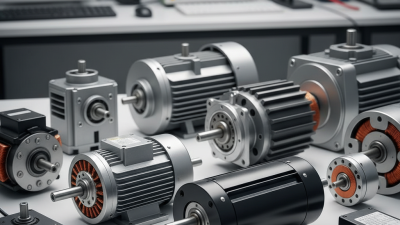
In the realm of modern engineering, "DC Motor BLDC" stands out as a pioneering force. Experts like Dr. Alan Green, a renowned electrical engineer, emphasize its significance. He once stated, "BLDC motors enhance efficiency and reliability in diverse applications." This sentiment resonates widely among professionals working in robotics, automotive, and HVAC systems.
The advantages of using DC Motor BLDC are manifold. They offer higher efficiency than traditional motors, leading to reduced energy consumption. Their compact design allows for space-saving solutions in various projects. Additionally, BLDC motors operate quietly, an essential factor in applications where noise reduction is crucial. These benefits make them indispensable for forward-thinking engineers.
However, challenges remain. Understanding the complexities of motor control can be daunting. Some projects may not require the advanced features that BLDC motors offer. Yet, the exploration of DC Motor BLDC continues to push boundaries. It encourages innovation and leads to more efficient, sustainable designs in technology.
Advantages of Brushless DC Motors in Modern Applications
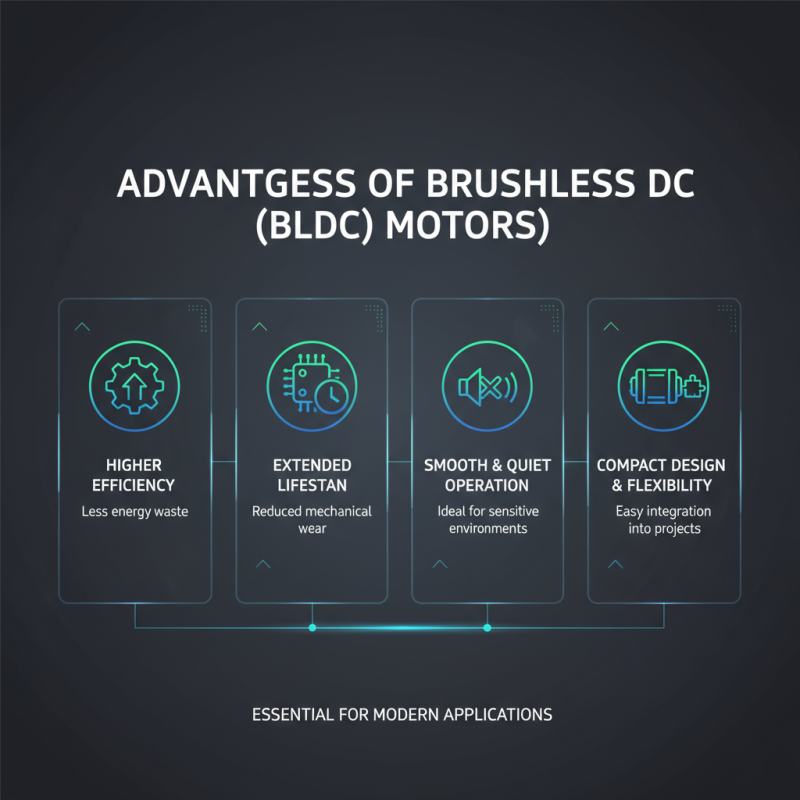
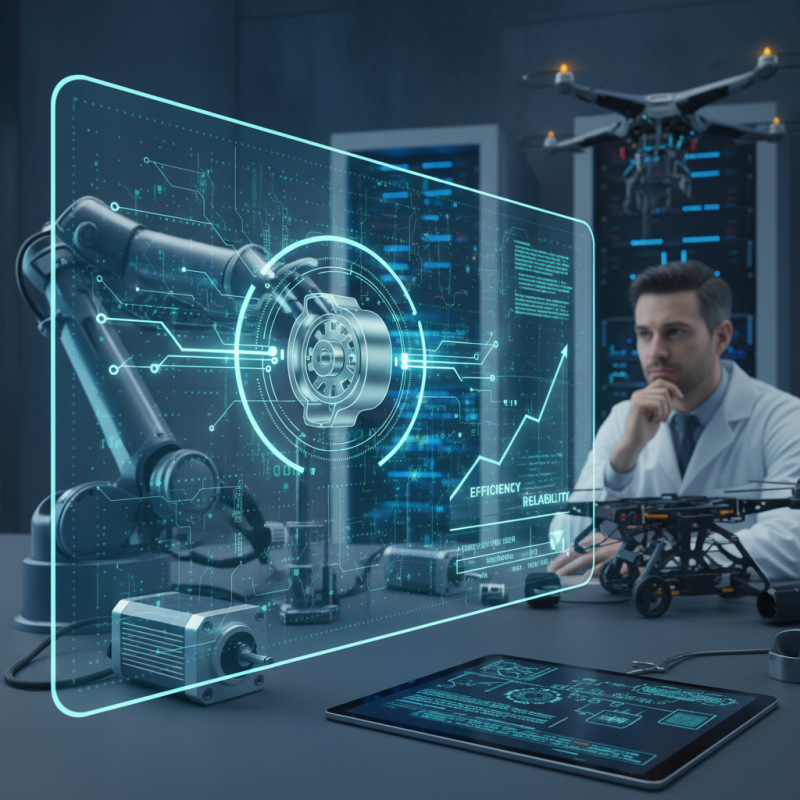
Brushless DC (BLDC) motors have become essential in modern applications due to their numerous advantages. These motors operate with higher efficiency compared to traditional brushed motors. They use electronic controllers, reducing mechanical wear and improving longevity. BLDC motors provide smooth operation with minimal noise, making them ideal for sensitive environments. Their compact design also allows for flexible integration in various projects.
When selecting a BLDC motor, consider the specific requirements of your application. Understand the torque and speed needed for optimal performance. Additionally, pay attention to the cooling requirements, as overheating can reduce efficiency. Adjustments during implementation can make a significant difference. Always test the motor under load conditions to verify its performance.
One potential downside of BLDC motors is their initial cost. They can be more expensive than brushed motors, yet the long-term savings often justify the investment. Maintenance costs are lower, as less frequent replacements are needed. Reflecting on the balance between cost and performance is crucial in decision-making. Adopting the right technology can lead to innovative solutions in your projects.
Energy Efficiency Benefits of BLDC Motors
Energy efficiency is a significant advantage of using
Brushless DC (BLDC) motors in various projects. These motors convert electrical energy directly into mechanical power
with minimal losses. Unlike traditional brushed motors, they don’t have friction losses from brushes. This results in
higher efficiency rates, often reaching up to 90%. Such efficiency means less energy consumption and longer battery life, which are critical
in applications where power sources are limited.
Additionally, the design of BLDC motors allows for better thermal management. With less heat generation during operation, these motors are less likely to overheat.
This not only prolongs the lifespan of the motor but can also lead to lower maintenance costs. However, the initial investment in these motors can be higher than that of traditional motors.
This might deter some projects from considering BLDC motors.
Furthermore, while the energy savings are clear, it’s essential to assess the project’s unique needs.
Not every application may benefit equally from using BLDC motors. Evaluating the specific requirements and the potential long-term benefits is crucial for making an informed decision.
Rather than focusing solely on efficiency, considering the overall performance and adaptability of these motors will allow for better project outcomes.
Reduced Maintenance Requirements of BLDC Motors
Brushless DC (BLDC) motors stand out for their reduced maintenance needs. This quality stems from their design, which eliminates brushes that wear over time. Without brushes, the lifetime of the motor increases significantly. Users notice fewer breakdowns and interruptions. In environments like factories, this reliability can translate to smooth operations. Connecting a BLDC motor can lead to reduced downtime.
Additionally, BLDC motors generate less heat. This results in lower thermal stress on components, which contributes to their longevity. Lower heat levels mean users often do not need to worry about cooling systems. However, there are still factors to consider, such as the initial cost of installation. Some projects may require more upfront investment. This could cause hesitation when choosing BLDC motors.
Despite these challenges, the simplicity of BLDC motors is appealing. Many engineers appreciate that fewer components lead to simpler designs. When there are fewer parts, there is less that can go wrong. Adopting BLDC motors may involve a learning curve, but the long-term benefits often outweigh initial obstacles. These factors make BLDC motors an attractive choice for those looking to enhance efficiency and reliability in projects.
Top Benefits of Using DC Motor BLDC for Your Projects
Compact Design and Versatility of Brushless DC Motors
Brushless DC motors (BLDC) offer a compact design that meets various project needs. Their low profile and lightweight structure are crucial for space-constrained applications. According to a report by the International Journal of Modern Engineering Research, BLDC motors can be up to 30% smaller than their brushed counterparts while providing the same output. This compactness makes them ideal for drones, robotics, and medical devices.
The versatility of BLDC motors is another strong advantage. With applications spanning automotive, aerospace, and consumer electronics, their adaptability is noteworthy. A study by Allied Market Research projects that the brushless motor market will reach $24.4 billion by 2026, growing at a rate of 14.5%. This indicates a significant shift towards using these motors in diverse sectors. Additionally, BLDC motors are customizable, allowing for various configurations to fit different applications. However, some users encounter challenges in integrating these systems into existing designs, leading to an adjustment period.
While BLDC motors are efficient, achieving a balance between performance and cost can be tricky. Users must weigh factors like initial investment against long-term energy savings. Real-world applications often highlight this gap, revealing that not all projects benefit equally from this technology. A holistic understanding of the potential drawbacks is vital for informed decision-making.
Enhanced Performance and Control Features of BLDC Technology
BLDC motors offer significant advantages in performance and control. Their brushless design reduces friction. This leads to higher efficiency and fewer maintenance needs. Unlike traditional motors, BLDCs provide smoother operation. This ensures better speed regulation, which can be crucial in sensitive applications.
Control features of BLDC technology enable precise movements. They support advanced control algorithms, giving users great flexibility. You can easily implement features like speed control and position feedback. This adaptability is essential for robotics and automation projects. However, integrating these motors can be complex. It requires careful selection of controllers and sensors.
Despite the benefits, challenges arise in system integration. Users might find initial setup daunting. This can lead to confusion and inefficiencies. Proper planning and understanding are necessary to overcome these hurdles. While BLDC motors enhance performance, a thoughtful approach is crucial for success.
Top Benefits of Using DC Motor BLDC for Your Projects
| Benefit |
Description |
Application Areas |
Efficiency Rating |
| High Efficiency |
BLDC motors provide higher efficiency than traditional motors, resulting in less energy waste. |
Electric Vehicles, Robotics |
90-95% |
| Low Maintenance |
Since BLDC motors do not have brushes, there is less wear and tear, leading to lower maintenance costs. |
Aerospace, HVAC Systems |
N/A |
| Precise Control |
BLDC motors offer excellent speed and torque control, ideal for applications requiring precision. |
Industrial Automation, Medical Devices |
N/A |
| Compact Design |
BLDC motors have a smaller and lighter design, which is beneficial for space-constrained applications. |
Consumer Electronics, Drones |
N/A |
| Extended Lifespan |
With fewer moving parts and no brushes, BLDC motors typically have a longer operational life. |
Renewable Energy, Manufacturing |
Over 10,000 hours |