Top 10 Benefits of Electric Brushed Motors for Global Buyers?
Electric brushed motors are revolutionizing the industry, providing efficiency and cost-effectiveness. According to Dr. Emily Carter, a renowned expert in motor technology, "The Electric Brushed Motor simplifies design while maximizing performance." Her insights highlight why these motors are gaining traction among global buyers.
These motors offer numerous benefits, making them an attractive choice for various applications. They ensure high reliability, low maintenance, and a compact size. Additionally, their cost-effective nature appeals to businesses seeking to optimize their operations. However, some buyers may overlook nuances such as heat management and power handling that require careful evaluation.
The growing demand for electric brushed motors is evident. As industries evolve, understanding their benefits helps buyers make informed decisions. Balancing performance with operational needs is crucial. While the advantages are clear, a deeper analysis can reveal areas for improvement. Exploring the full potential of the Electric Brushed Motor opens doors to innovation and efficiency.
Advantages of Electric Brushed Motors in Various Industries
Electric brushed motors are becoming essential in various industries due to their unique advantages. These motors provide excellent torque and speed control, making them suitable for applications in automotive, robotics, and home appliances. They are easy to maintain and relatively inexpensive, which appeals to manufacturers and consumers alike. However, the efficiency of brushed motors might not match that of their brushless counterparts.
One notable benefit of electric brushed motors is their simplicity. They have fewer components, resulting in a compact design. This compactness can lead to easier integration into products, especially in limited spaces. Many industries rely on electric brushed motors for their robustness. They can withstand harsh conditions, making them a preferred choice in agriculture and construction.
Tips: Always check the power ratings before selecting a motor. This helps ensure it meets your usage requirements. Consider energy efficiency, as some applications may benefit from brushless options. Lastly, assess the long-term maintenance costs. Understanding potential wear and tear can significantly impact the overall project budget.
Top 10 Benefits of Electric Brushed Motors for Global Buyers
| Benefit |
Description |
Applicable Industries |
| High Efficiency |
Electric brushed motors provide superior efficiency compared to traditional motors. |
Automotive, HVAC, Industrial Automation |
| Compact Design |
Their compact size allows for easy integration into various devices. |
Consumer Electronics, Robotics |
| Cost-Effective |
Lower initial costs and maintenance expenses over time. |
Home Appliances, Power Tools |
| Wide Availability |
Commonly available parts and components ensure ease of replacement. |
Manufacturing, Agriculture |
| Robust Performance |
Reliable performance under varied conditions and loads. |
Mining, Construction |
| Ease of Control |
Easier speed and torque control due to simple design. |
Transportation, Robotics |
| High Starting Torque |
Provides greater starting torque suitable for heavy loads. |
Heavy Machinery, Automotive |
| Versatile Applications |
Can be used in a wide range of applications across industries. |
Healthcare, Transport, Industrial |
| Environmentally Friendly |
Lower emissions and reduced environmental impact compared to fossil fuel engines. |
Clean Energy, Automotive |
| Low Noise Operation |
Quieter operation compared to traditional motor types, enhancing user experience. |
Consumer Products, Office Equipment |
Cost-Effectiveness of Electric Brushed Motors for Buyers
Electric brushed motors offer significant cost-effectiveness for global buyers. Their design is simple yet efficient, which translates to lower manufacturing costs. These motors often require less maintenance than their counterparts, reducing long-term expenses. This advantage is crucial for businesses aiming to enhance profits while keeping operational costs low.
Consider these tips when investing in electric brushed motors. Assess the specific needs of your application. Ensure the motor's specifications align with your requirements. An unsuitable motor can lead to inefficiencies and unexpected costs.
Also, compare different suppliers' pricing and terms. A thorough market analysis can reveal hidden savings. While one supplier might offer a lower price, another might provide superior support or warranty options. Even small differences in service can significantly impact your overall experience and costs.
Lastly, remember that while electric brushed motors are generally reliable, they do have limitations. Their efficiency can drop under heavy loads. Regular performance assessments can help optimize their use. Keeping an eye on these factors can prevent potential pitfalls and ensures a better return on investment.
Top 10 Benefits of Electric Brushed Motors for Global Buyers
Energy Efficiency and Environmental Impact of Electric Brushed Motors
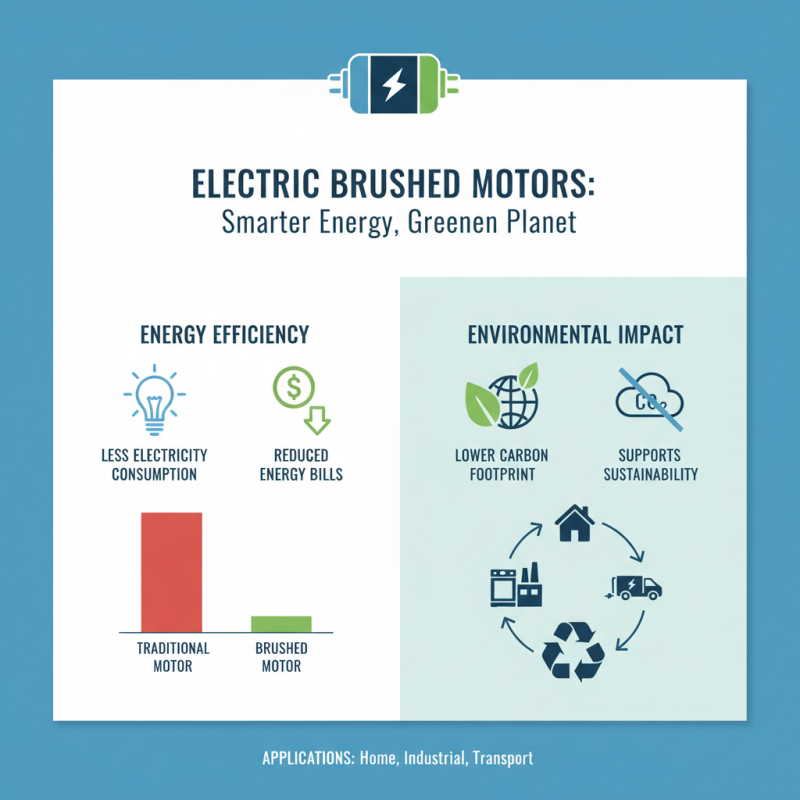
Electric brushed motors bring significant energy efficiency to various applications. Their design makes them suitable for a wide range of uses, from home appliances to industrial machinery. These motors consume less electricity compared to traditional counterparts. As a result, they help reduce energy bills for users globally. The positive impact on overall energy consumption is evident in numerous sectors.
The environmental effects of electric brushed motors are noteworthy. They produce fewer emissions during operation. This reduction contributes to cleaner air quality in urban areas. However, it’s crucial to acknowledge that manufacturing these motors can still generate waste. Sustainable practices are essential in their production. Transitioning to electric brushed motors can be a step toward greener technology. Still, vigilance in material sourcing and waste management is vital for true sustainability.
Consumers must weigh both benefits and challenges. While these motors offer great efficiency and lower emissions, they may not be perfect solutions for every situation. Evaluating their application and lifecycle is important. Sustainable choices require ongoing reflection and assessment.
Reliability and Maintenance Benefits of Electric Brushed Motors
Electric brushed motors offer significant reliability and maintenance benefits for global buyers. These motors are designed to withstand various operational stresses. Their simple construction allows for easy access to components, facilitating quicker servicing. Users can perform routine checks with minimal tools, ensuring minimal downtime.
Another aspect is the availability of replacement parts. Many manufacturers produce standardized components for brushed motors. This enhances the ease of repairs and reduces the need for specialized training. However, with widespread use, some components may face supply chain challenges during high demand periods. It's essential to maintain a balance between accessibility and inventory management.
The reliability of electric brushed motors extends their life in different applications. Yet, users should be mindful of wear and tear, particularly on brushes. Regular monitoring can prevent unexpected failures. While these motors are robust, they still require attention. Overlooking maintenance can lead to performance issues, reminding users of the importance of a proactive maintenance strategy.
Technological Advances Enhancing Electric Brushed Motor Performance
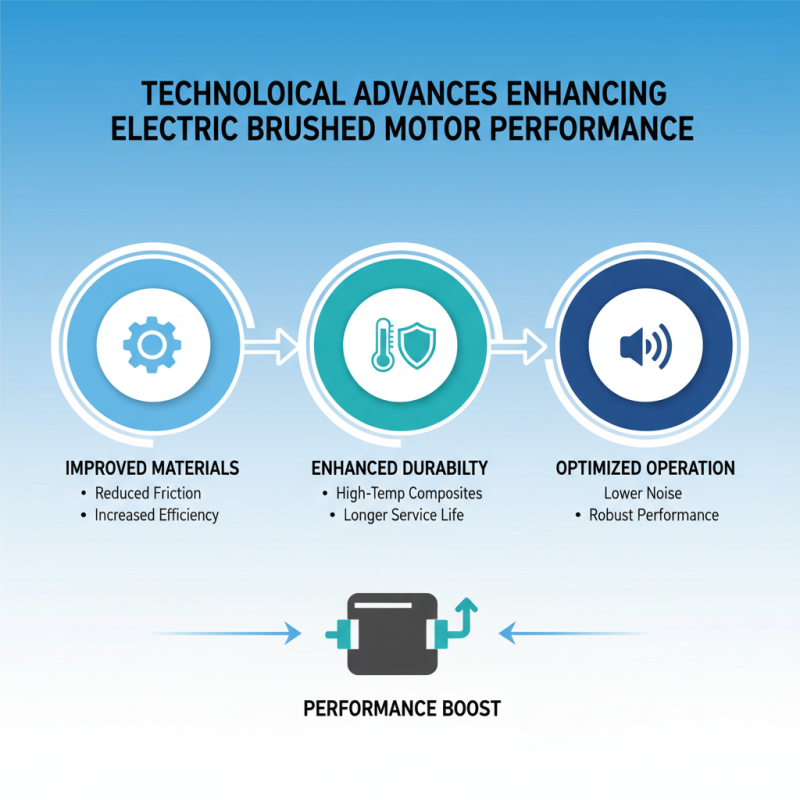
Electric brushed motors have witnessed remarkable advancements in technology, leading to significant performance enhancements. These motors now feature improved materials that reduce friction, increase efficiency, and lower operational noise. The new composite materials used in winding and housing can withstand higher temperatures. This durability translates into longer service life and robust performance in demanding environments.
Another key development is the integration of advanced control systems. These systems enable precise speed regulation and torque management, allowing for smoother operation and greater adaptability. Users can customize motor behaviors to fit specific requirements, providing flexibility across various applications. However, these advancements are not without challenges. The complexity of modern control systems can sometimes lead to difficulties in troubleshooting.
Moreover, the growing trend of miniaturization is noteworthy. Electric brushed motors are becoming smaller and lighter while maintaining their power output. This miniaturization allows for easier integration into compact devices. Yet, manufacturers must ensure that performance does not diminish as sizes shrink. Balancing size and efficiency remains a critical area for ongoing improvement and innovation in electric brushed motor technology.